




Latest Uploaded Lectures
Tuesday English Programme:
Other Lectures:
Miscellaneous Articles
The Test of Patience
 by Hadhrat Mawlānā Muhammad Saleem Dhorat hafizahullāh
Every child born comes with a definite ending; death is an inevitable phenomenon for every birth, rather for every creation. Allāh ta'ālā mentions in the Qur'ān, “Everything is going to perish except His Face (His Being).” (28:88)
This phenomenon makes the world a temporary abode, a transitory station, one from where each one of...
by Hadhrat Mawlānā Muhammad Saleem Dhorat hafizahullāh
Every child born comes with a definite ending; death is an inevitable phenomenon for every birth, rather for every creation. Allāh ta'ālā mentions in the Qur'ān, “Everything is going to perish except His Face (His Being).” (28:88)
This phenomenon makes the world a temporary abode, a transitory station, one from where each one of...
Two Points of Neglect During Hajj
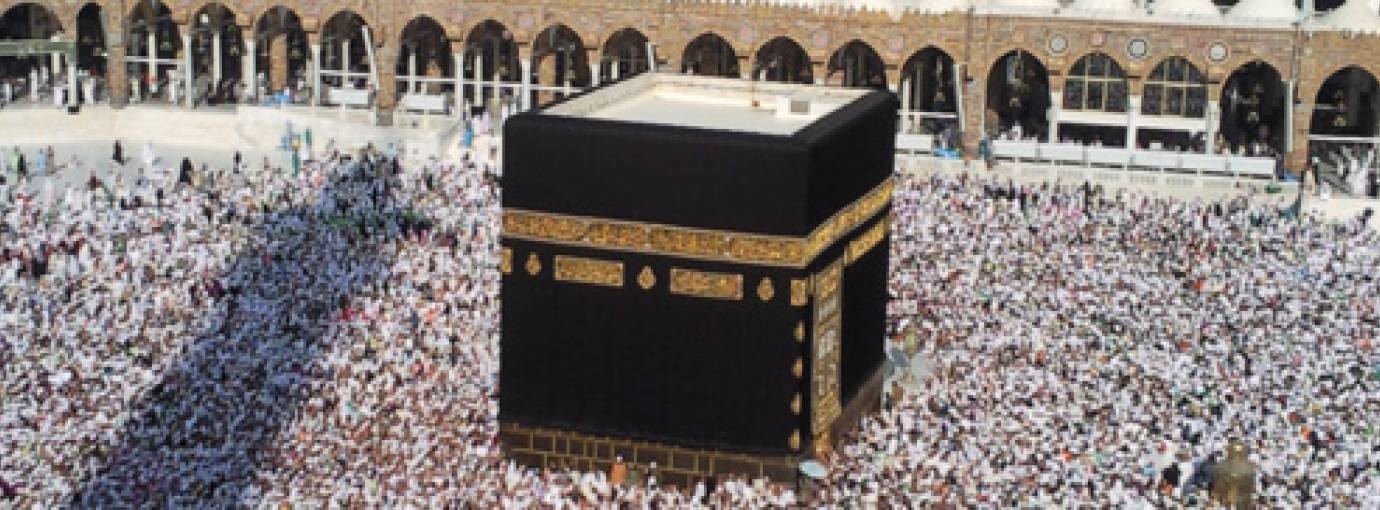 Throughout the world, thousands are graced every year by Allāh ta'ālā to carry out one of the greatest obligations and worships hajj. The many virtues and rewards related to this great act of worship have been mentioned in the last issue. However, for hajj to be accepted and for one to reap all its spiritual fruits, it will need to be performed with due care, ensuring that all its rituals...
Other's Calamity - Our Responsibility
 When a person is afflicted with a calamity, catastrophe, grief etc., the people around him/her; the family, friends and the wider Muslim community, all have a role to play. We often remain neglectful and fail to fulfil our duties in this regard. I would like to mention a few points concerning this which will be of benefit inshā'allāh.
1. Feel for others
The Sharī'ah has advised us that we...
When a person is afflicted with a calamity, catastrophe, grief etc., the people around him/her; the family, friends and the wider Muslim community, all have a role to play. We often remain neglectful and fail to fulfil our duties in this regard. I would like to mention a few points concerning this which will be of benefit inshā'allāh.
1. Feel for others
The Sharī'ah has advised us that we...
My Late Father
 by Hadhrat Mawlānā Muhammad Saleem Dhorat hafizahullāh
In 1991 Hadhrat Muhammad Saleem Dhorat hafizahullāh had to give up his teaching post at Darul Uloom Bury and move back to Leicester, the city in which he grew up. The reason why the respected Hadhrat had to return was the demise of his father, Hāfiz Ibrāhīm Dhorat rahimahullāh.
Hāfiz Dhorat rahimahullāh was an extraordinary individual...
by Hadhrat Mawlānā Muhammad Saleem Dhorat hafizahullāh
In 1991 Hadhrat Muhammad Saleem Dhorat hafizahullāh had to give up his teaching post at Darul Uloom Bury and move back to Leicester, the city in which he grew up. The reason why the respected Hadhrat had to return was the demise of his father, Hāfiz Ibrāhīm Dhorat rahimahullāh.
Hāfiz Dhorat rahimahullāh was an extraordinary individual...




Urdu Publications


Essential Du'a Booklets